Diabetes – Timely Treatment and Control
- 12 Sep 2025
- 0 Comments
- Diabetes Care, Healthy Living, Diet Control

Diabetes - Timely Treatment and Control
Introduction
Diabetes has become one of the most common health concerns in today’s world. It is often referred to as a silent condition because many people do not realize they have it until serious complications develop. According to health experts, millions of people across the globe live with diabetes, and the number is increasing rapidly due to unhealthy eating habits, lack of exercise, and stressful lifestyles. The good news is that diabetes can be managed and controlled if it is diagnosed early and treated properly. A timely approach towards diabetes not only prevents further complications but also allows individuals to live a long, healthy, and active life.
Understanding Diabetes
Diabetes is a chronic disease that occurs when the body either cannot produce enough insulin or cannot use it effectively. Insulin is a hormone that regulates blood sugar levels. When this system fails, sugar builds up in the blood, which can cause serious damage to the heart, kidneys, eyes, and nerves.
There are two major types of diabetes:
-
Type 1 Diabetes: Usually develops at a younger age. The body produces little or no insulin, so patients need lifelong insulin injections to survive.
-
Type 2 Diabetes: More common in adults but increasingly seen in children as well. It is strongly linked to lifestyle choices such as poor diet, obesity, and lack of physical activity. In many cases, it can be controlled with lifestyle changes and medication.
Understanding the causes, symptoms, and risks of diabetes is the first step toward effective treatment and prevention.
Importance of Timely Treatment
Timely treatment of diabetes is absolutely crucial. If ignored or left untreated, diabetes can lead to life-threatening complications such as heart disease, kidney failure, blindness, nerve damage, and even amputations. Many of these conditions develop slowly over time and may not show symptoms until they reach an advanced stage. That is why regular check-ups and early diagnosis are so important.
When diabetes is detected and managed early, patients can avoid severe complications. Early treatment helps maintain stable blood sugar levels, protects vital organs, and improves overall quality of life. In simple words, the sooner diabetes is addressed, the easier it is to control.
Methods of Control
Controlling diabetes requires consistent effort and a combination of healthy habits, medical care, and self-discipline. Some of the most effective methods include:
-
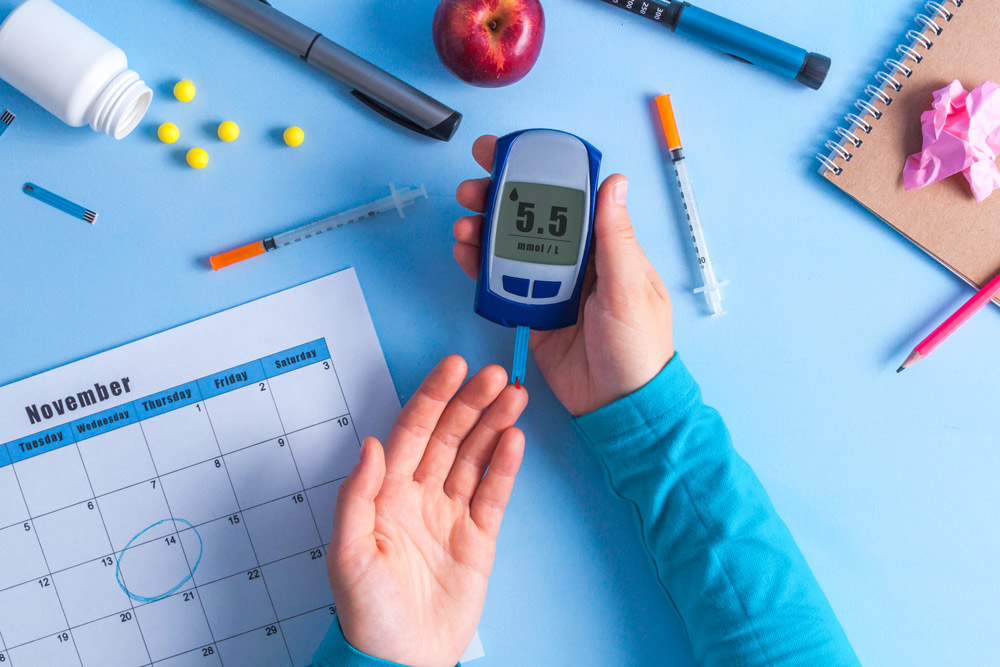
Blood Sugar Monitoring: Regularly checking blood sugar levels allows individuals to keep track of their condition and adjust their diet or medication when necessary.
-
Medication and Insulin Therapy: Depending on the type of diabetes, doctors may prescribe oral medicines or insulin injections to regulate blood sugar.
-
Healthy Diet: Reducing sugar and processed foods while increasing intake of whole grains, fresh fruits, vegetables, and proteins helps maintain normal sugar levels.
-
Exercise: Regular physical activity improves insulin sensitivity and supports weight control, which is vital for diabetes management.
-
Stress Management: High stress levels can increase blood sugar, so relaxation techniques such as meditation, yoga, and deep breathing can be helpful.
Lifestyle and Diet
Lifestyle choices play a major role in controlling diabetes. A balanced diet is one of the strongest weapons against high blood sugar. People with diabetes should focus on foods that release energy slowly, such as oats, brown rice, beans, and vegetables. These foods prevent sudden spikes in blood sugar. Avoiding sugary drinks, fast food, and snacks high in fat is also essential.
In addition to diet, regular exercise such as walking, jogging, cycling, or swimming is highly recommended. Even 30 minutes of daily physical activity can make a big difference. Getting enough sleep, staying hydrated, and maintaining a healthy weight are also vital aspects of lifestyle management.
Medical Support and Monitoring
Medical care is an essential part of diabetes management. Regular visits to a healthcare professional allow patients to track their condition and detect any complications at an early stage. Doctors may recommend tests such as HbA1c (to measure long-term blood sugar control), cholesterol checks, kidney function tests, and eye examinations.
Patients are also encouraged to work closely with dieticians, diabetes educators, and fitness experts who can provide personalized plans for better control. Technology such as glucose monitors and mobile apps also makes it easier to stay on top of the condition.
Conclusion
Diabetes is a lifelong condition, but it does not have to control your life. With timely treatment, proper monitoring, healthy lifestyle changes, and medical support, it is possible to manage diabetes effectively and prevent dangerous complications. The key lies in awareness, discipline, and consistent effort. By taking action today, individuals with diabetes can enjoy a healthier tomorrow and lead a fulfilling, active life.