Obesity & Lifestyle Diseases – Chronic Risks
- 12 Sep 2025
- 0 Comments
- Obesity Awareness, Healthy Lifestyle, Chronic Disease

Obesity & Lifestyle Diseases - Obesity and the Chronic Illnesses Linked to It
Introduction
Obesity has become one of the most serious public health challenges of the modern world. Defined as excessive body fat that increases the risk of illness, obesity is no longer just about appearance it is a medical condition that can lead to multiple chronic diseases. The rise of fast food culture, sedentary lifestyles, and lack of awareness has made obesity a growing problem in many countries, including Pakistan. Understanding the impact of obesity and its link to lifestyle-related diseases is essential for prevention, treatment, and healthier living.
What Causes Obesity?
Obesity occurs when energy intake (food consumption) consistently exceeds energy expenditure (physical activity). Some of the major contributing factors include:
-
Unhealthy Diet: High consumption of fast food, sugary drinks, and processed foods.
-
Lack of Physical Activity: Sedentary lifestyle, long working hours, and little exercise.
-
Genetics: Family history of obesity can increase risk.
-
Psychological Factors: Stress, depression, and emotional eating.
-
Medical Issues: Hormonal imbalances such as thyroid problems.
Chronic Diseases Linked to Obesity
Obesity does not exist alone; it creates pathways to several other long-term illnesses, often called “lifestyle diseases.”
-
Type 2 Diabetes
Excess body fat makes the body resistant to insulin, leading to high blood sugar and diabetes. -
Cardiovascular Diseases
Obesity contributes to high blood pressure, high cholesterol, and heart attacks. -
Stroke
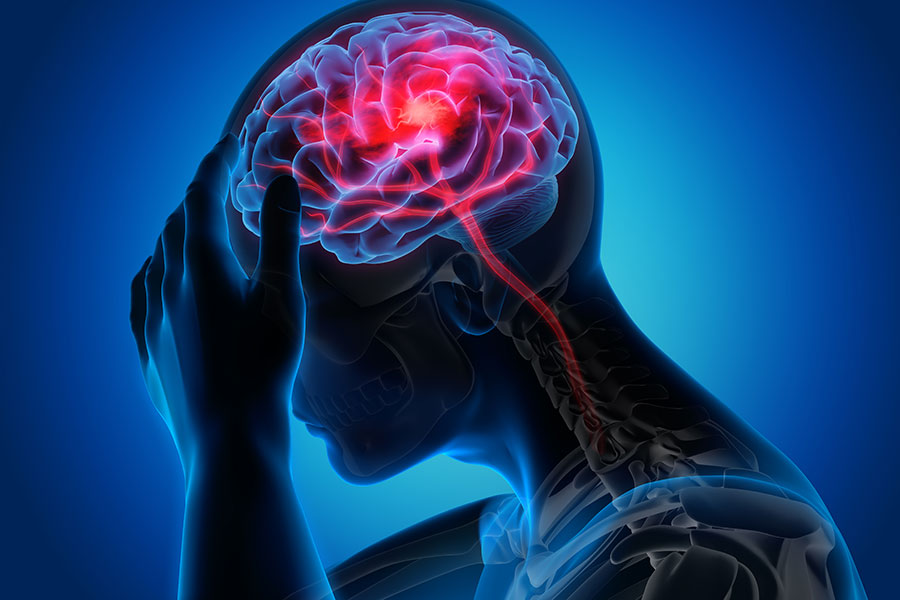
Increased fat deposits in blood vessels raise the risk of strokes. -
Joint Problems
Excess weight puts pressure on bones and joints, causing osteoarthritis. -
Respiratory Issues
Obesity can cause sleep apnea and difficulty in breathing. -
Certain Cancers
Studies show obesity increases the risk of cancers like breast, colon, and liver cancer.
Prevention and Control of Obesity
The good news is that obesity is preventable and manageable with consistent effort and lifestyle modifications.
-
Balanced Diet: Eat more fruits, vegetables, whole grains, and lean proteins. Limit sugary and fatty foods.
-
Regular Exercise: At least 30 minutes of moderate physical activity daily (walking, cycling, swimming).
-
Hydration: Drinking sufficient water instead of sugary drinks.
-
Stress Management: Yoga, meditation, or relaxation techniques to prevent emotional eating.
-
Medical Support: In severe cases, professional help such as dieticians, doctors, or even surgical options like bariatric surgery may be required.
Conclusion
Obesity is not just a cosmetic issue it is a major risk factor for life-threatening chronic diseases. By adopting healthier habits, exercising regularly, and making informed dietary choices, individuals can reduce their risk of obesity-related illnesses. At the same time, governments and communities must encourage awareness campaigns, provide safe spaces for physical activities, and promote healthy eating. Tackling obesity requires a collective effort, but the rewards are immense: longer life, better health, and stronger societies.