Dengue & Malaria – Mosquito-Borne Diseases
- 12 Sep 2025
- 0 Comments
- Dengue Fever, Malaria Awareness, Mosquito Control

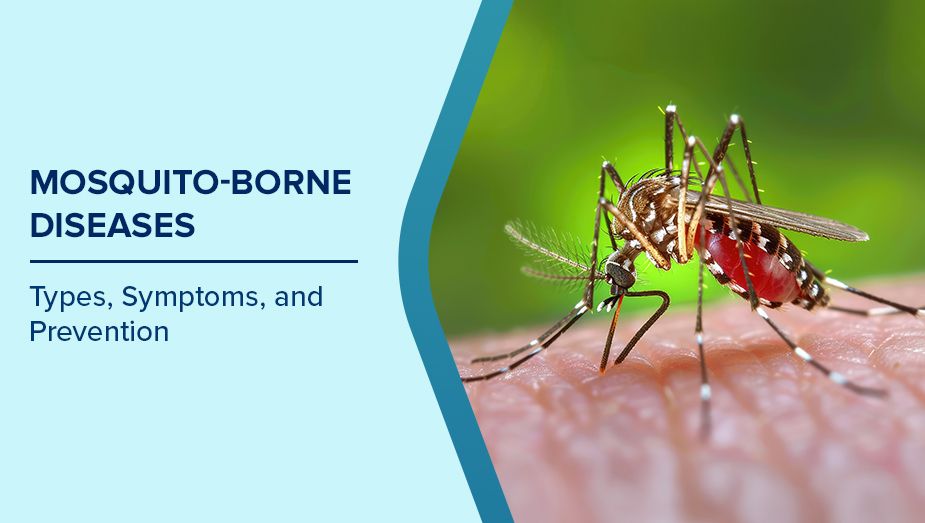
Dengue & Malaria - Mosquito-Borne Diseases and Their Prevention
Introduction
Dengue and malaria are two of the most common mosquito-borne diseases affecting millions of people worldwide, especially in tropical and subtropical countries like Pakistan. Both diseases spread rapidly during the monsoon season when stagnant water provides a breeding ground for mosquitoes. While malaria is caused by a parasite transmitted through the Anopheles mosquito, dengue is caused by a virus spread through the Aedes aegypti mosquito. These illnesses can be dangerous, even life-threatening, if not treated in time. Awareness and preventive measures are the best tools to protect individuals and communities.
Dengue Fever
Dengue is a viral infection that spreads through the bite of the Aedes mosquito. It is often called “breakbone fever” because of the severe joint and muscle pain it causes.
Symptoms of Dengue include:
-
High fever
-
Severe headache
-
Pain behind the eyes
-
Joint and muscle pain
-
Skin rashes
-
Nausea and vomiting
In severe cases, dengue can lead to internal bleeding, organ damage, and even death.
Malaria
Malaria is caused by a parasite called Plasmodium, which is transmitted through the bite of infected Anopheles mosquitoes. Unlike dengue, malaria can reoccur and is one of the oldest and deadliest diseases known to humans.
Symptoms of Malaria include:
-
High fever with chills and shivering
-
Sweating and fatigue
-
Headaches
-
Nausea and vomiting
-
Muscle pain
If not treated quickly, malaria can cause anemia, organ failure, and may even be fatal.
Why These Diseases Are Dangerous
Both dengue and malaria place a heavy burden on public health systems. They cause widespread illness, reduce productivity, and can lead to long-term health problems. The lack of vaccines for dengue (except in some cases) and drug resistance in malaria parasites make prevention more important than cure.
Prevention Methods
1. Eliminate Mosquito Breeding Sites
-
Do not allow water to collect in pots, tires, coolers, or containers.
-
Cover water tanks properly.
-
Change water in vases and bird baths regularly.
2. Use Protective Measures
-
Sleep under mosquito nets, especially in malaria-prone areas.
-
Wear long-sleeved clothing to cover exposed skin.
-
Apply mosquito repellents on skin and clothing.
3. Community Efforts
-
Fumigation and spraying of insecticides in neighborhoods.
-
Public awareness campaigns about prevention.
-
Government action during rainy seasons to control outbreaks.
4. Personal Awareness
-
Visit a doctor immediately if symptoms appear.
-
Do not self-medicate; proper testing is necessary to confirm dengue or malaria.
-
Keep your surroundings clean and dry.
Conclusion
Dengue and malaria are preventable diseases, yet they continue to harm millions due to lack of awareness and negligence. These illnesses should never be taken lightly, as both can lead to severe health complications and even death if ignored. Prevention is the most effective solution: keeping the environment clean, eliminating mosquito breeding grounds, and protecting ourselves from mosquito bites. By taking individual responsibility and working together as a community, we can significantly reduce the risk of dengue and malaria. A little care and awareness today can save countless lives tomorrow.