Signs Your Body is Dehydrated (And Why It's More Than Just Water)
- 09 Aug 2025
- 0 Comments
- DehydrationAwareness, HealthHydrationTips, StayHydrated

Signs Your Body is Dehydrated (And Why It's More Than Just Water)
Dehydration is a condition that affects the body more deeply than many people realize. It's not just about drinking less water, it's about a complex imbalance of fluids and electrolytes that can have serious health effects if ignored. The body is made up of around 60% water, and every cell, tissue, and organ depends on proper hydration to function effectively. When dehydration sets in, even mildly, it can impact everything from your mood to your heart rate. Let’s explore the signs, causes, and why water alone might not be enough to restore balance.
1. What Is Dehydration?
Dehydration happens when your body loses more fluid than it takes in. This can occur due to sweating, urination, diarrhea, vomiting, fever, or simply not drinking enough fluids throughout the day. But dehydration isn’t just about losing water, it also involves the loss of electrolytes, which are minerals such as sodium, potassium, and magnesium. These minerals are essential for regulating nerve and muscle function, blood pressure, and hydration at the cellular level.
2. Early Signs Your Body Is Dehydrated
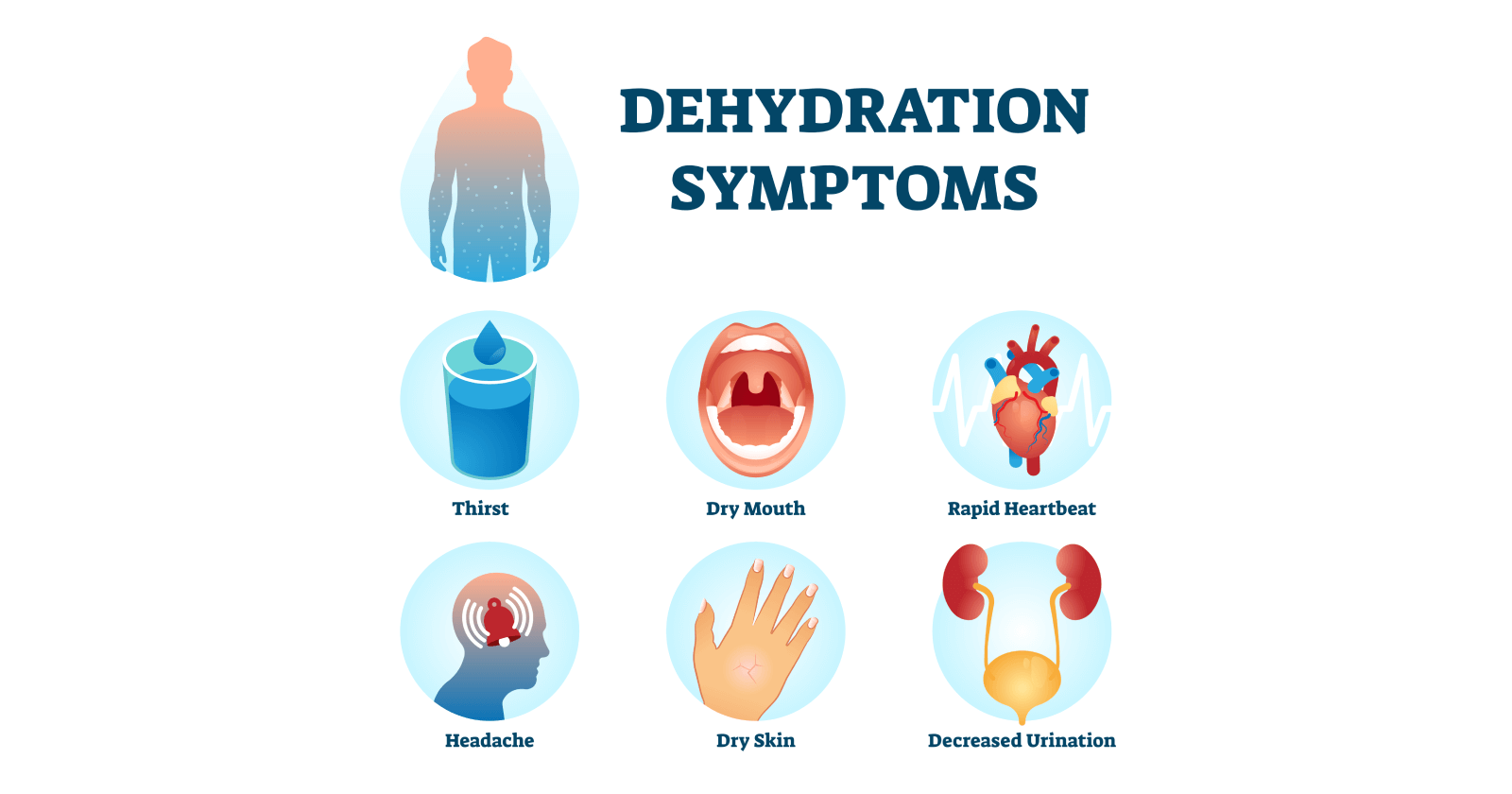
Many early symptoms of dehydration are easy to miss or confuse with other problems. Some of the first signs include:
-
Dry mouth and dry skin
-
Fatigue and low energy
-
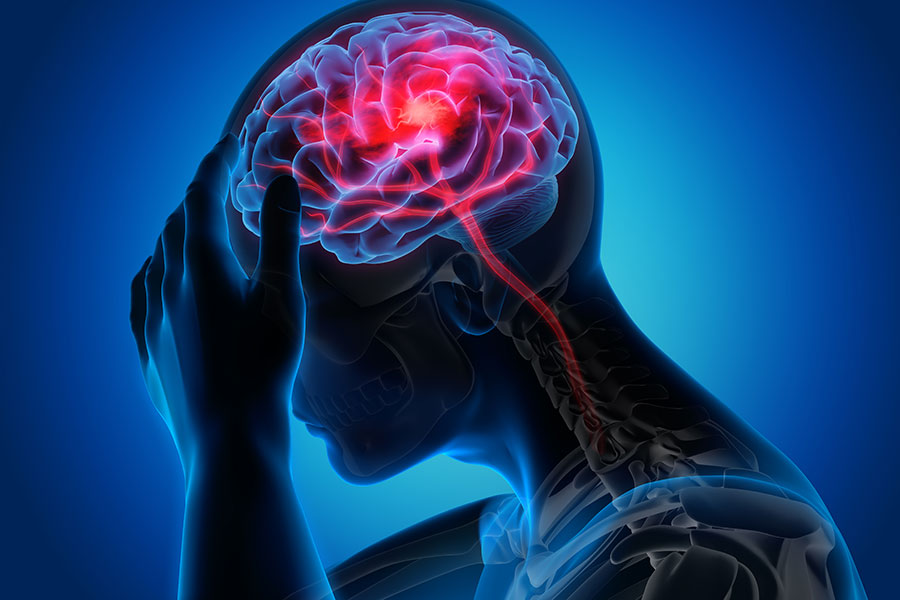
Headaches
-
Thirst
-
Dark yellow urine or reduced urination
-
Dizziness or lightheadedness
These symptoms can appear even if you don’t feel extremely thirsty. That’s why it’s important to listen to your body’s warning signs, especially in hot weather or during exercise.
3. Severe Symptoms of Dehydration
If dehydration becomes more severe, the symptoms may become dangerous. You might experience:
-
Rapid heartbeat
-
Low blood pressure
-
Confusion or irritability
-
Sunken eyes
-
Muscle cramps
-
Fainting
-
No sweating or urination
In extreme cases, dehydration can lead to heatstroke, kidney problems, or seizures. This is especially risky for children, older adults, and people with chronic illnesses. Immediate medical attention is needed if these signs appear.
4. Why It’s About More Than Just Water
Many people think drinking plain water is enough, but dehydration is not just a lack of water it’s a lack of fluid balance. Your body needs the right mix of water and electrolytes to function properly. When you sweat or get sick, you lose both. Simply drinking water may not replace lost minerals, and in some cases, it may dilute them even more. That’s why it’s important to include electrolyte-rich drinks, like oral rehydration solutions, coconut water, or homemade salt-sugar mixtures, especially after intense sweating, vomiting, or diarrhea.
5. How to Stay Hydrated Effectively
To keep your body properly hydrated:
-
Drink water consistently throughout the day, not just when you're thirsty.
-
Eat hydrating foods like watermelon, cucumbers, oranges, and lettuce.
-
Limit caffeine and alcohol, which can increase fluid loss.
-
Use electrolyte drinks during exercise or illness.
-
Pay extra attention to hydration during hot weather or physical activity.
Proper hydration supports your energy, mental clarity, digestion, and overall health.
6. Conclusion: Hydration Is Whole-Body Health
Understanding the signs of dehydration and how it affects more than just water intake is key to maintaining overall health. Your body needs a balance of fluids and minerals to perform daily functions, and ignoring early signs can lead to serious complications. Whether you're active, recovering from illness, or just going through your daily routine, making hydration a priority is one of the simplest yet most powerful ways to protect your health.